When the Civil War ended in 1970, peace was declared under the crest of Methodist College, as both warring sides found it a common ground to lay down their arms.
Many of the soldiers and leaders on both sides had once been students of Methodist College Uzuakoli, and it was here that trust and brotherhood prevailed.
Hello, Welcome to Xtra Construnction website
Host Community: Uzuakoli
Celebrating our proud roots and the people who welcome us
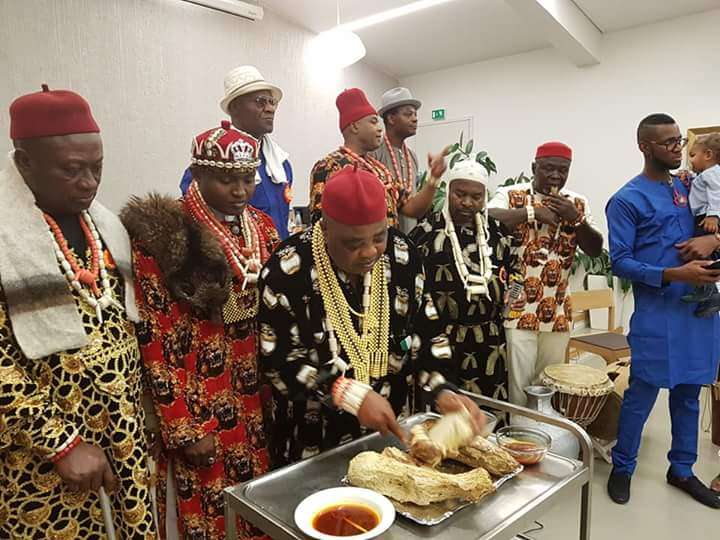
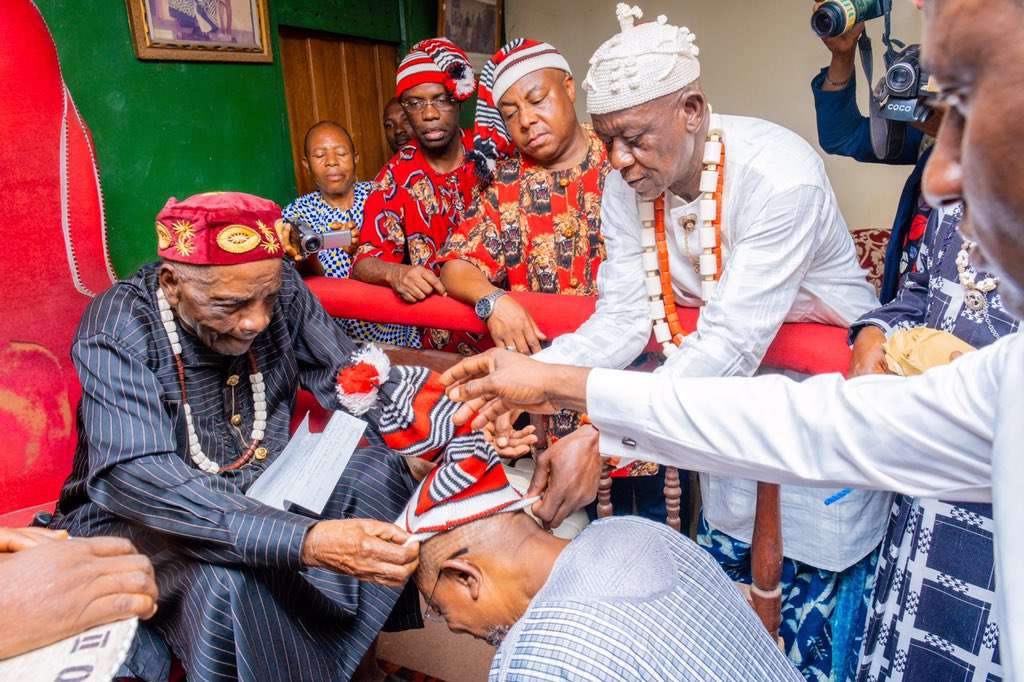
A brief history
Uzuakoli the Ancient kingdom
Uzuakoli is an area in Abia State of Eastern Nigeria that includes several villages. It has been home to a Methodist College, a large market, clandestine slave trading, a leprosy settlement, the Ila Oso Festival, and conflict. The community is in the Igbo “heartland”.
Ancestral Origins and the Five Villages
Uzuakoli originated from Ezera, presently in Isukwuato Local Government Area, all in Abia State.
Uzuakoli first settled in Akoli, from where they migrated to their present home, now called Uzuakoli. The first name was Ozu, now Uzuakoli.
Uzuakoli married and had five children —
Mba (now called Amamba),
Oma (now Eluoma),
Nkwo (now Amankwo),
Agbo (now Agbozu), and
Ugwuanyim (now Ngwu).
These form the five villages of Uzuakoli, which remain the foundation of the community’s social and cultural life.
The Cradle of Good Things
Geographically, Uzuakoli stands on a unique landscape from which flows ten streams and rivers.
The founding fathers, with great foresight, distributed their offspring around these water sources, forming the five villages.
While surrounding towns drink from the remnants of these waters, the Uzuakoli man is blessed with the source.
From the big picture, this means that Uzuakoli was destined to be a confluence town — a meeting place and source of livelihood for the entire region.
It is no surprise that, even without pipe-borne water, Uzuakoli is happy.
Agbagwu Market and the Gift of the Land
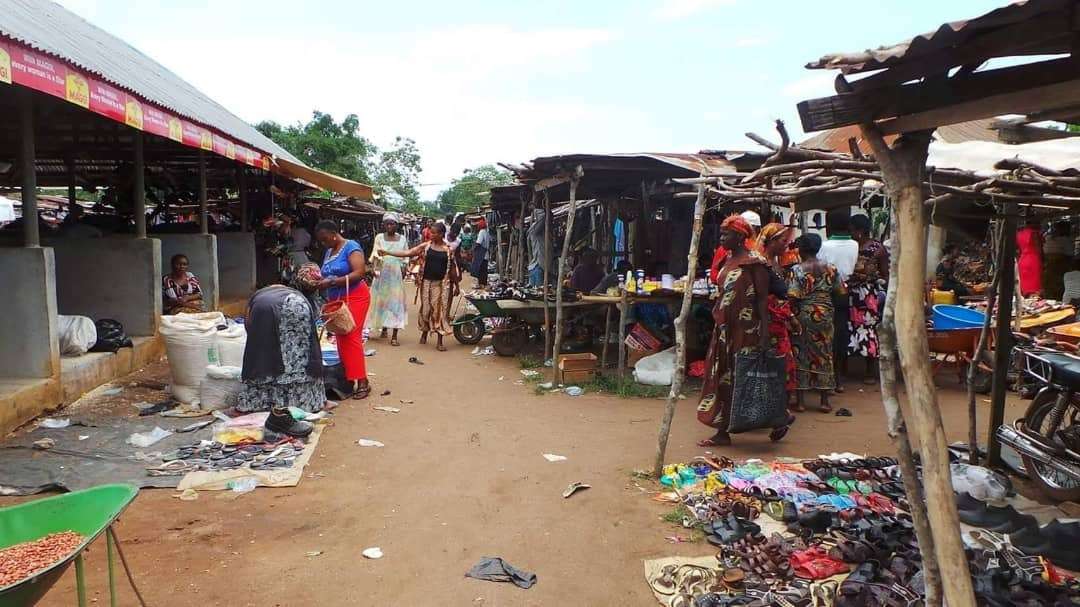
It is also not surprising that the legendary Agbagwu Market Fair was destined to attract the whole of Igboland and beyond — a natural outcome of the community’s fertile land and spirit of enterprise.
Those familiar with geology know that Uzuakoli’s soil is rich in mineral resources, which attracted the British colonial interest.
After the Geological Survey of 1912, the British began planning a modern city in Uzuakoli — acquiring what is now known as Crown Lands, detailing streams, boulevards, and green reserves.
However, the incoming government showed no interest in this plan. Even the water system designed for Uzuakoli was later relocated to the hometown of the incoming Premier, Dr. Michael Okpara.
Still, the soil, minerals, and vegetation remained, preserving the natural blessing of Uzuakoli.
Uzuakoli and the Biafra Era
Ironically, it was breakaway Biafra that later rediscovered Uzuakoli’s importance. Out of great necessity, Uzuakoli became the de facto capital of Biafra.
Enugu or Umuahia may have appeared to be the administrative centres, but the true Ojukwu living bunker was in Uzuakoli.
Biafra tapped into Uzuakoli’s scientific and educational prowess, being home to Methodist College, one of the earliest centres of learning in Igboland.
This led to local fabrication and innovation —
the Biafra petroleum refinery,
the moulding of aircraft parts,
building of armoured tanks (Ogbunigwe), and
refining of salt.
Much of this was made possible through the students and laboratories of Methodist College Uzuakoli.
A Place of Refuge and History
Uzuakoli’s contributions extend beyond the local and national scene — they have international dimensions.
During World War II, the British designated Uzuakoli as one of the safest places on Earth, selected as a potential hiding place for the King of England.
The King was sheltered at what is now known as the King’s Bunker at Methodist College Uzuakoli — a top-secret location later used by Ojukwu during the Nigerian Civil War.
A Haven for National Heroes
In the heat of Dr. Nnamdi Azikiwe’s media battles with the British, Zik once announced that his life was threatened and went into hiding.
He chose Uzuakoli — where a settler named James Okeke volunteered his home, a thatched hut in what is today known as the Strangers’ Quarters, to host him.
Furthermore, Nigeria’s first Military Head of State, General Johnson Aguiyi-Ironsi, hailed from Amankwo Uzuakoli.
His father, Ironsi, had been ostracized from the village for seven years for a traditional offence and was expected to make a sacrifice after serving his sentence.
He passed before doing so, leaving his children behind — one of whom was the future General.
When General Ironsi became Head of State, he gathered elders to fulfil this ancestral obligation. He was duly decorated at State House, paving the way for his return to his ancestral home.
After his assassination, Uzuakoli people played a prominent role in his burial.
Uzuakoli in Modern Times
When then-President Ibrahim Babangida (IBB) came to commission the Uzuakoli Electricity Project in the 1980s, he surprised many by removing his socks and stepping barefoot onto the sacred soil at the Methodist Practising School, Uzuakoli.
He explained that he wanted to feel the ground that saved his life during the Civil War.
It was an Uzuakoli woman who had nursed him back to life, risking her own safety to do so.
By 1993, when IBB had “stepped aside” and the political climate grew tense, he again found Uzuakoli a safe haven, while the June 12 turmoil burned itself out.
The Land of Peace and Legacy
Festivals & Life in Uzuakoli
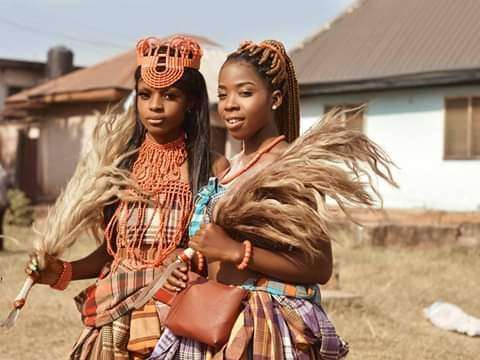
''ILAOSO UZUAKOLI''
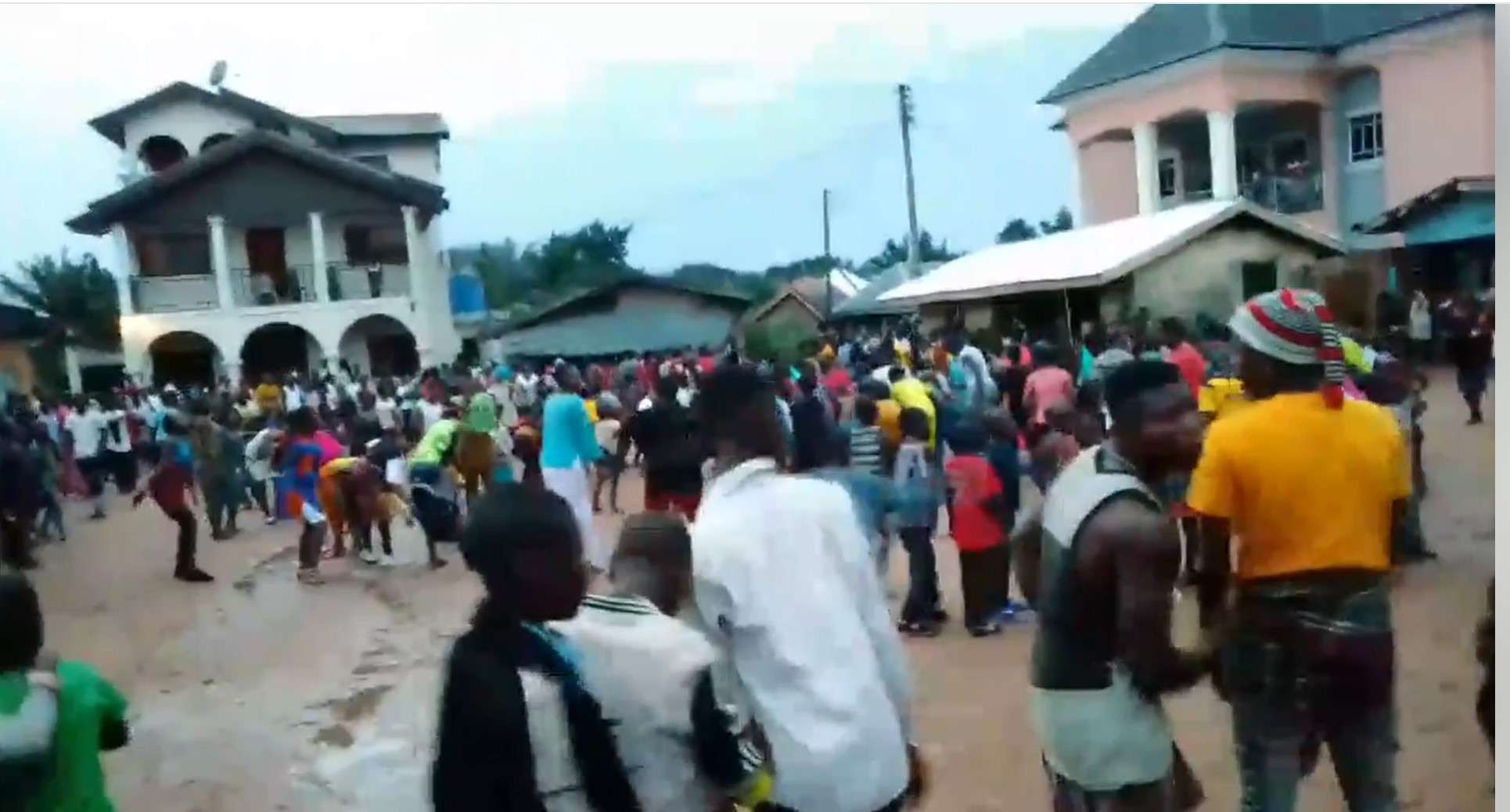
Every two years, the vibrant people of Uzuakoli host friends, in-laws, and well-wishers from around the world to celebrate Ila Oso Uzuakoli — a cherished social and cultural festival that reflects the unity, peace, and hospitality of the ancient Uzuakoli Kingdom in Bende LGA, Abia State, Nigeria.
During this festive season, the entire community comes alive with music, dance, traditional displays, and warm reunions — a true celebration of heritage and friendship.
As the proud host community of Methodist College Uzuakoli, the people of Uzuakoli extend their hands of friendship to all visitors, inviting them to experience the charm, warmth, and deep-rooted traditions that define their home.
Welcome to Uzuakoli – Home of Hospitality!
Okoko nna enyi ooo!
Iri Ji (New Yam Festival)
The Iri Ji Uzuakoli is a vibrant celebration of harvest and gratitude, bringing together sons and daughters of the land in dance, music, and thanksgiving to God for a fruitful year. It’s a cherished tradition that renews unity and pride in Uzuakoli’s cultural heritage.
As a proud part of this heritage, Methodist College Uzuakoli joins the community in honoring this timeless festival of renewal and togetherness.
Ikoro Ngwu Dance
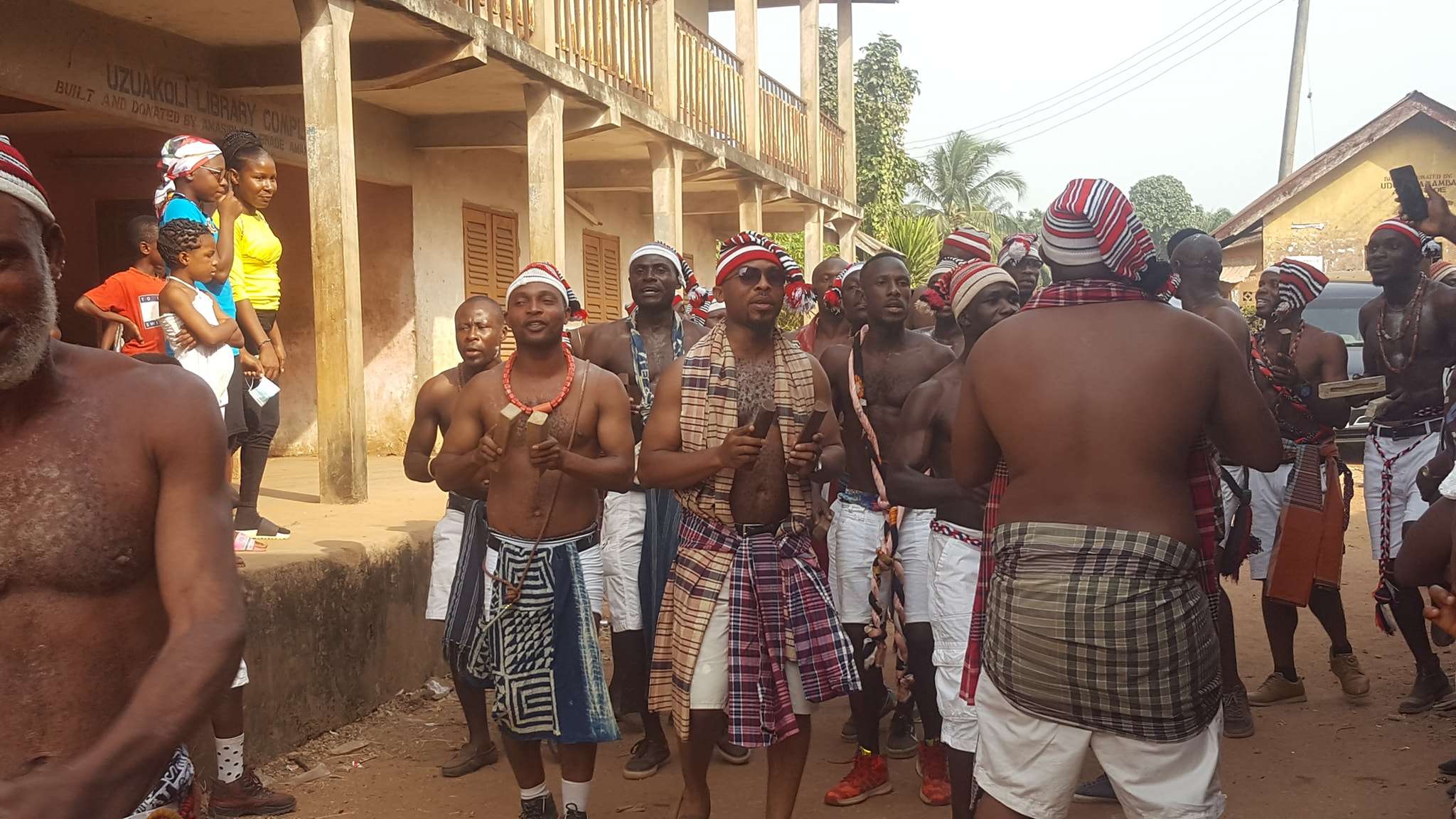
After the Iri Ji (New Yam Festival), the rhythm of Uzuakoli comes alive at Ngwu Village, where the famous Ikoro Dance fills the air with energy and tradition. Drums, chants, and graceful movements celebrate the spirit of unity and heritage.
Methodist College Uzuakoli stands proudly within this vibrant culture that continues to inspire generations
Get Involved & Give Back
Whether you’re an alumnus, a parent, a partner or a visitor, you can play a part in this vibrant relationship between MCU and Uzuakoli.
Volunteer & Mentor
Join community programmes, cultural days, or campus engagement events.
Support Infrastructure
Contribute to projects that benefit both students and host-community (e.g., water systems, community halls, cultural heritage sites).
Cultural Exchange
Attend festivals, host community tours, and help strengthen the bond between campus and village.